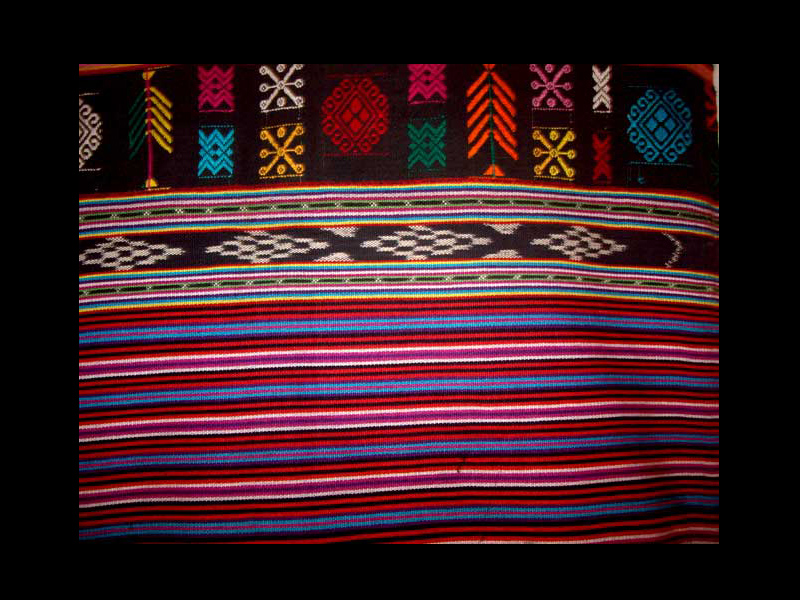
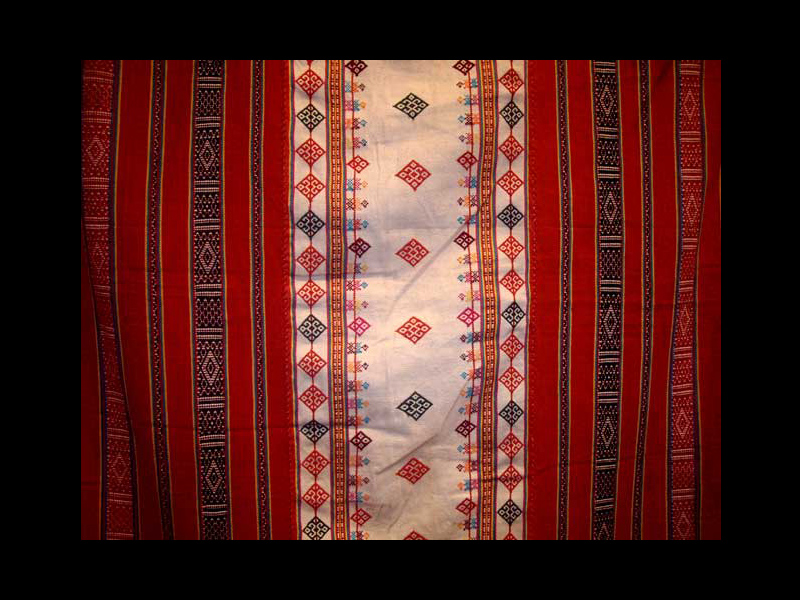
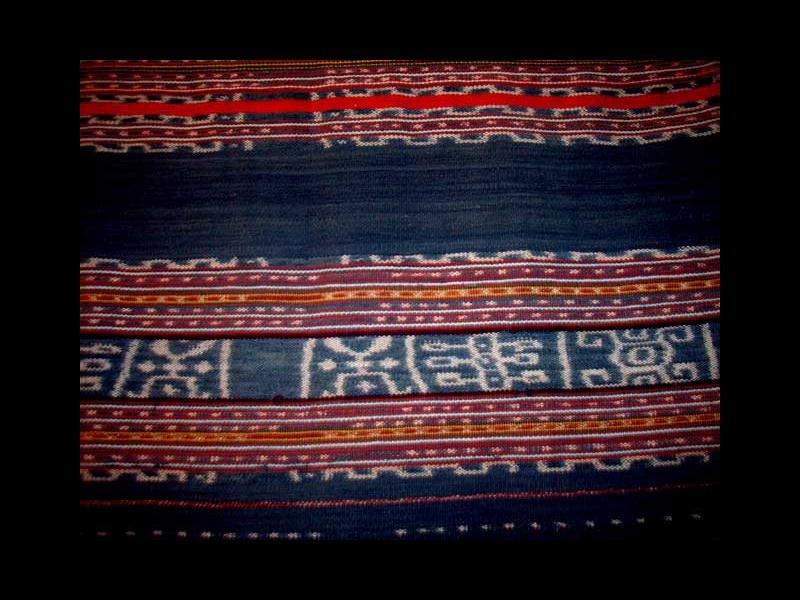
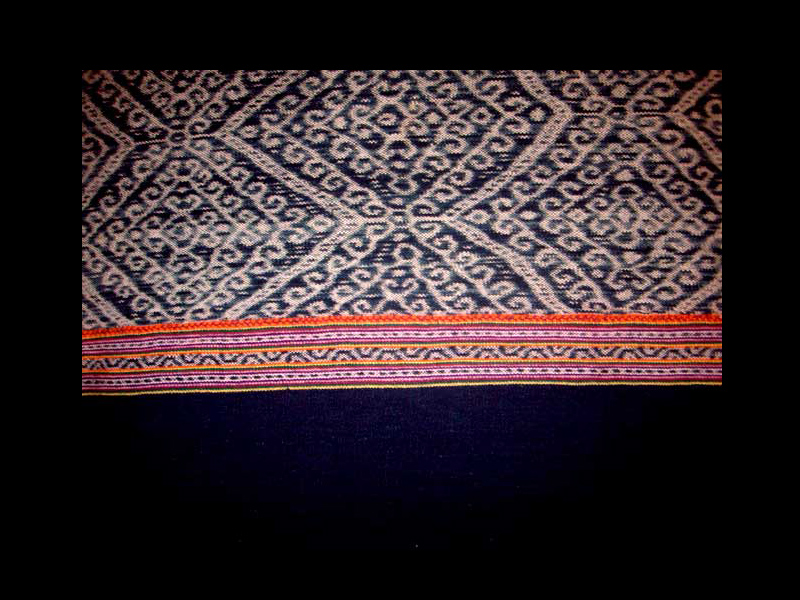
To see Tais in Exhibition click here.
To read about Forum in Tetun click here.
Click on the thumbnails to enlarge photos in galleries. Hover your cursor on right or left edge – near the top, to find Next and Back Buttons.
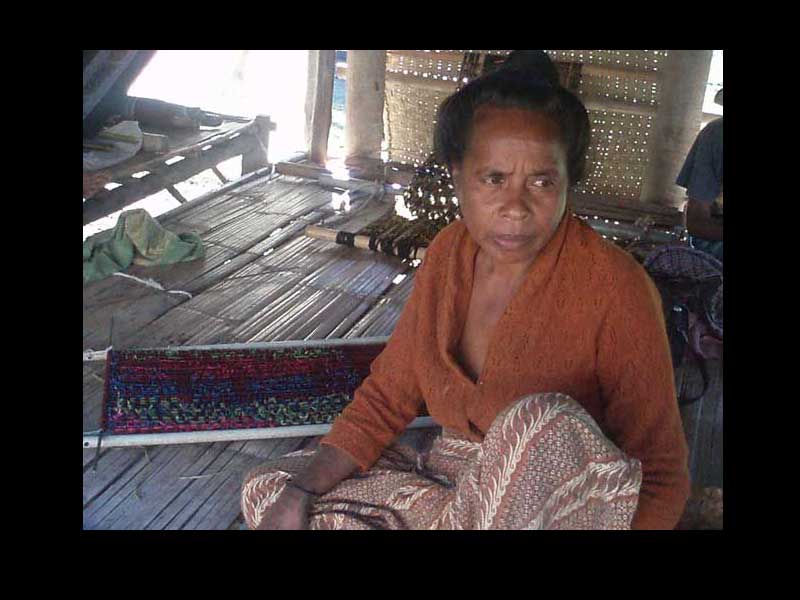
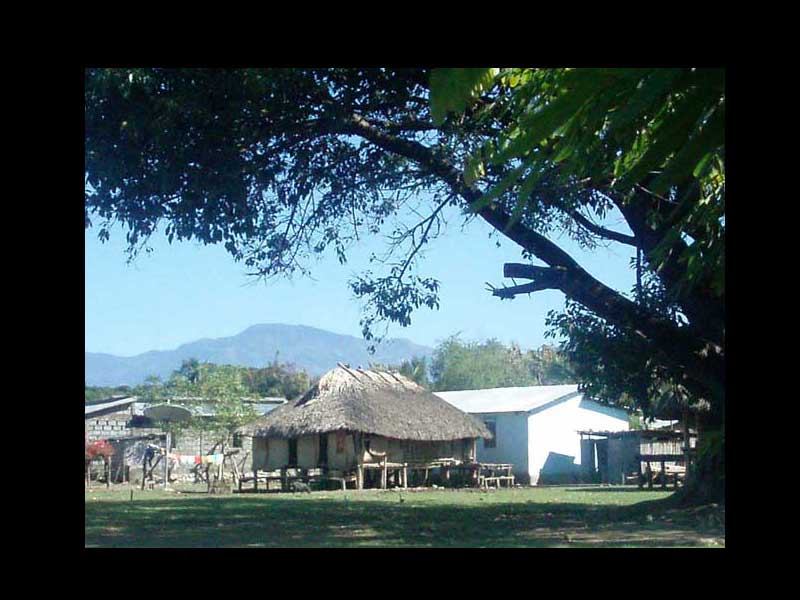
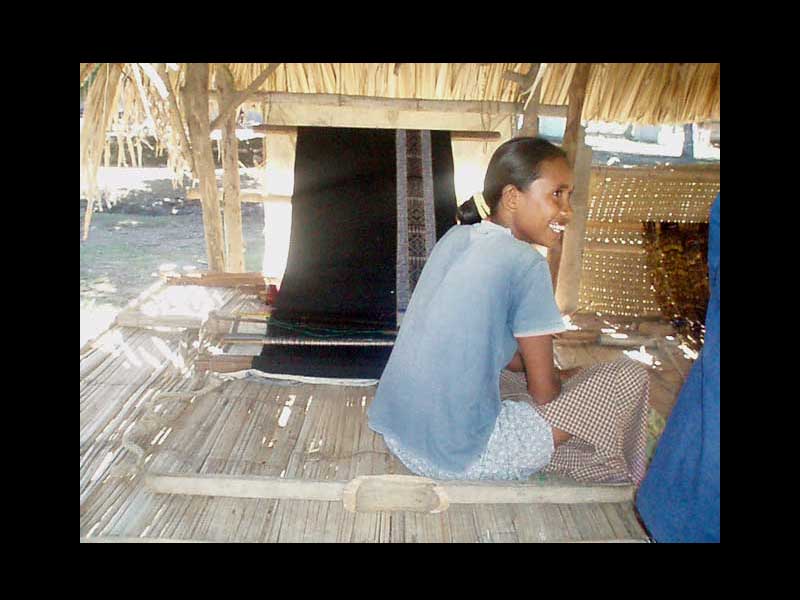
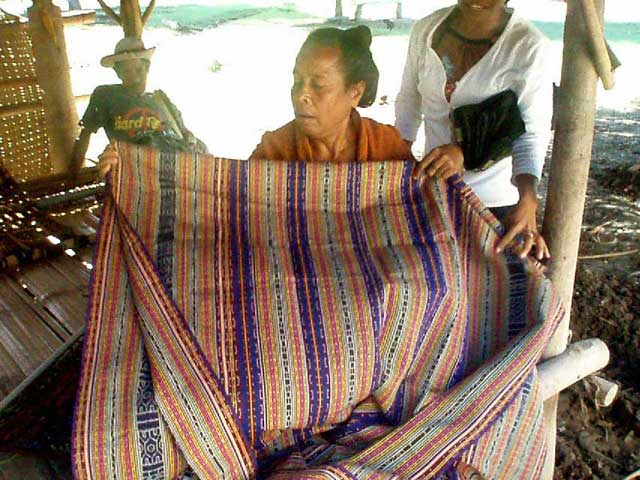
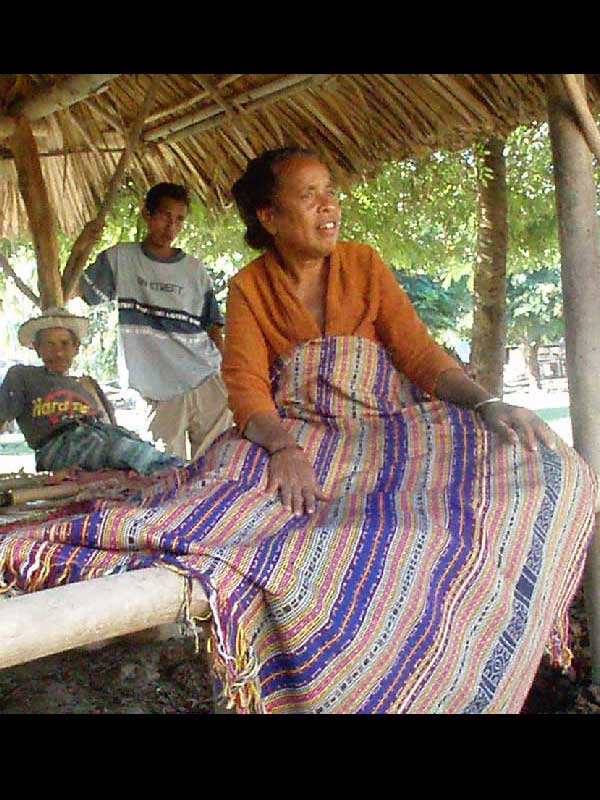
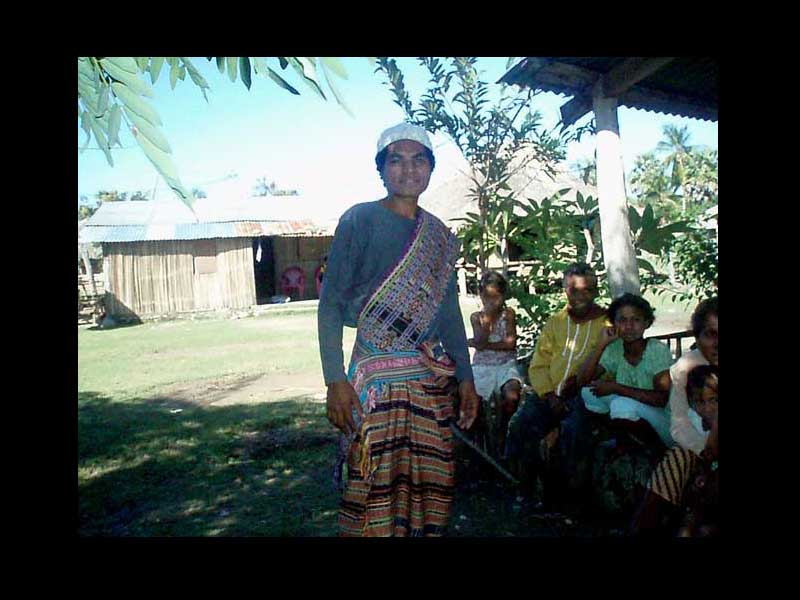
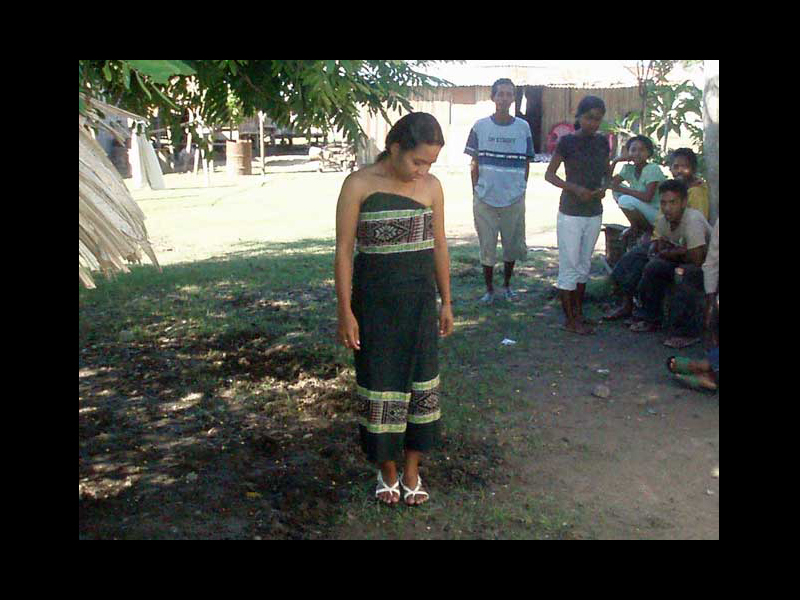
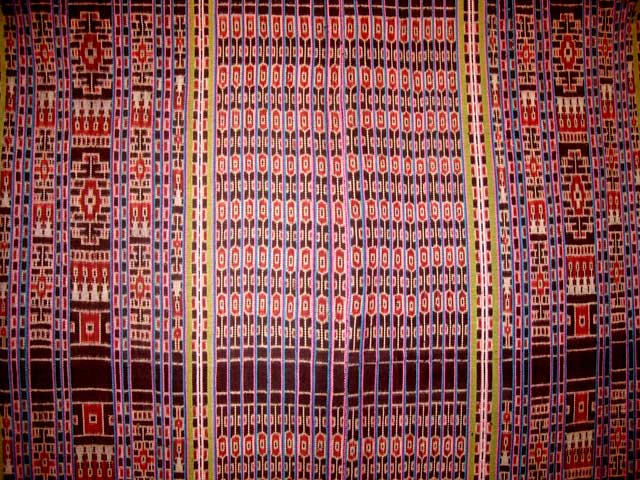
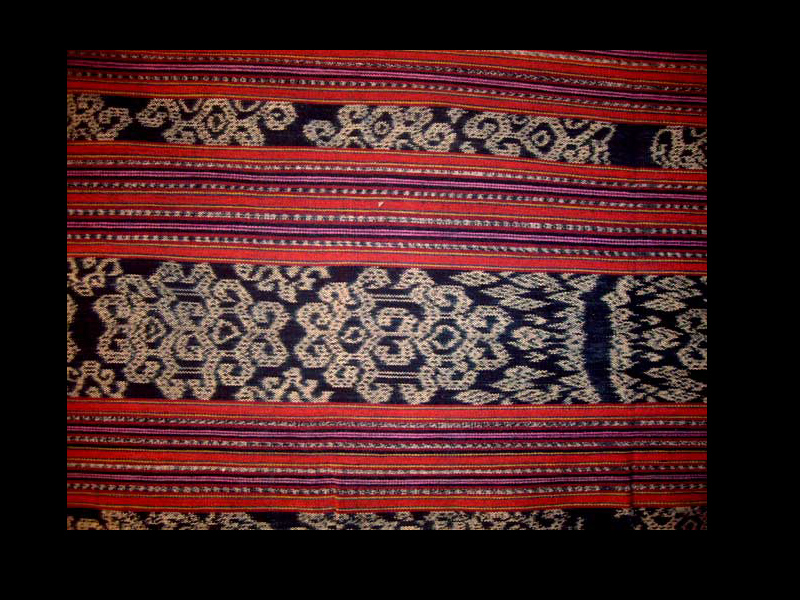
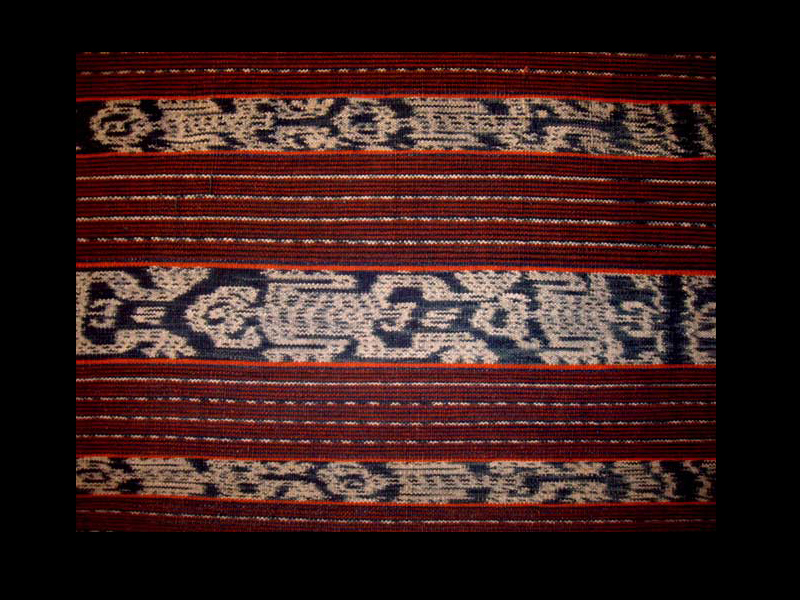
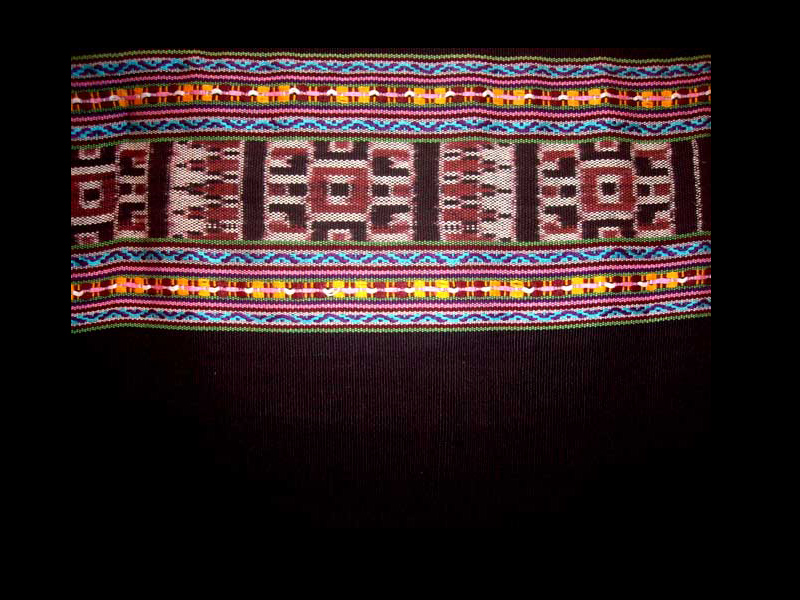
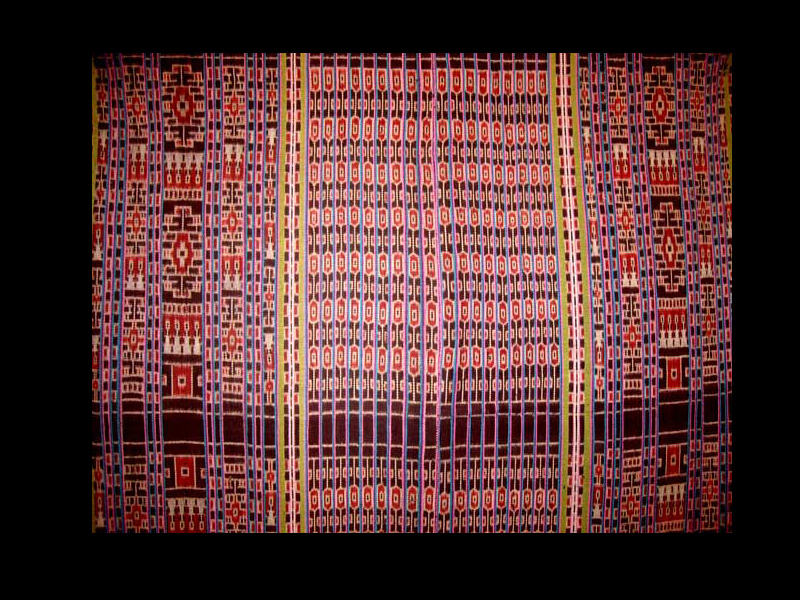
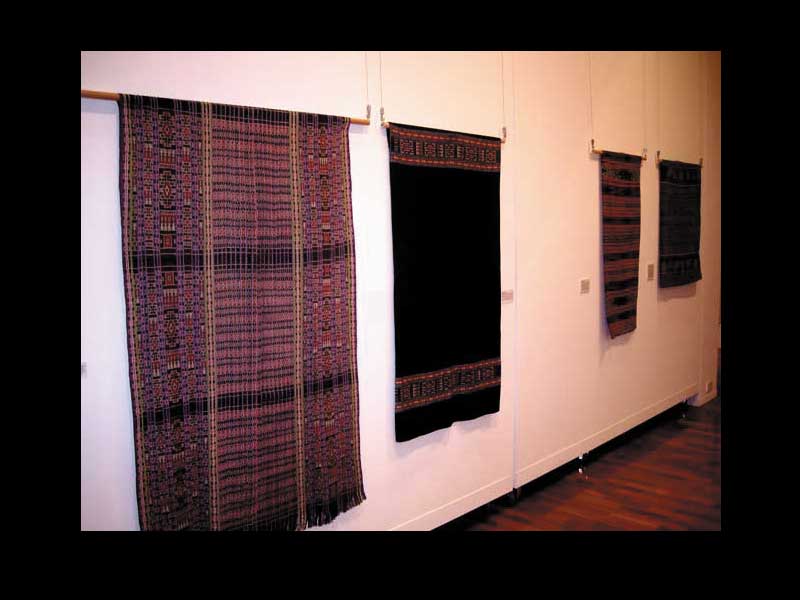
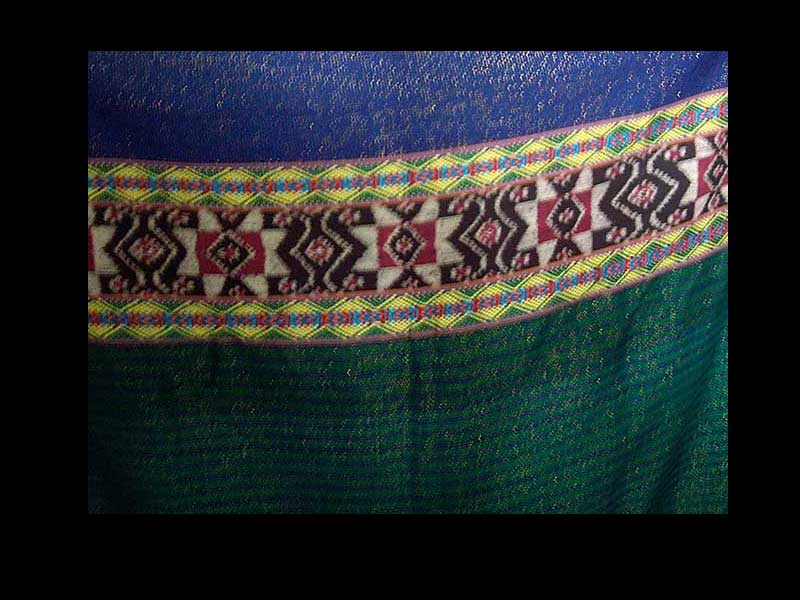
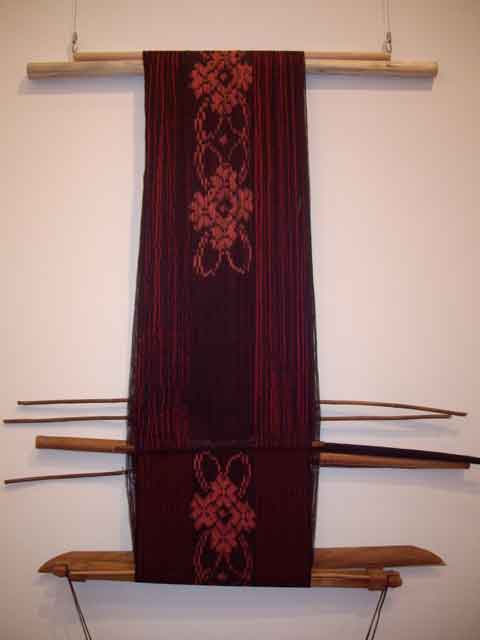
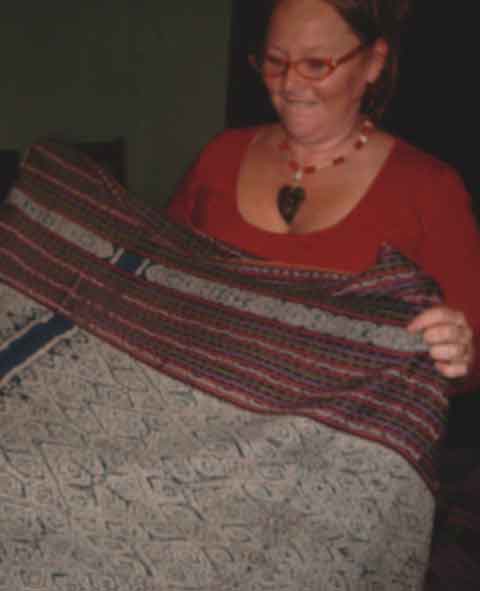
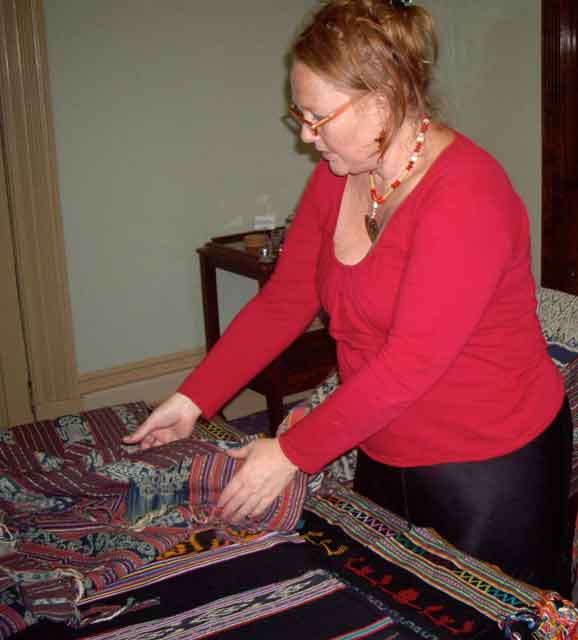
Few people have had the privilege of seeing tais, the beautiful hand-woven “hidden textiles” that are the work of the women of East Timor. I experienced the pleasure of seeing dozens of beautiful pieces being slipped out of their bright orange acrylic bags, and rolled off a huge bolster, on to the polished cedar table, in the old St Kilda Town Hall, last week. This thick-walled room, that buffered the heavy traffic sounds of St Kilda Road, was a long way from the ground where the tais were woven – where the loudest sounds are roosters crowing and perhaps a wooden mortar and pestle pounding sago palm bark into edible form. (To see exhibition click here)
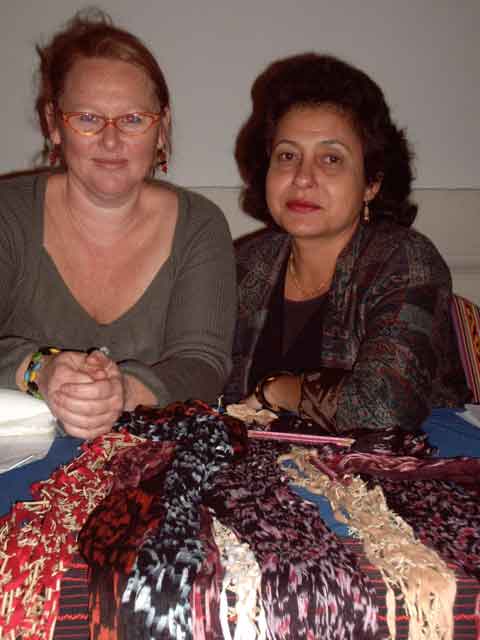
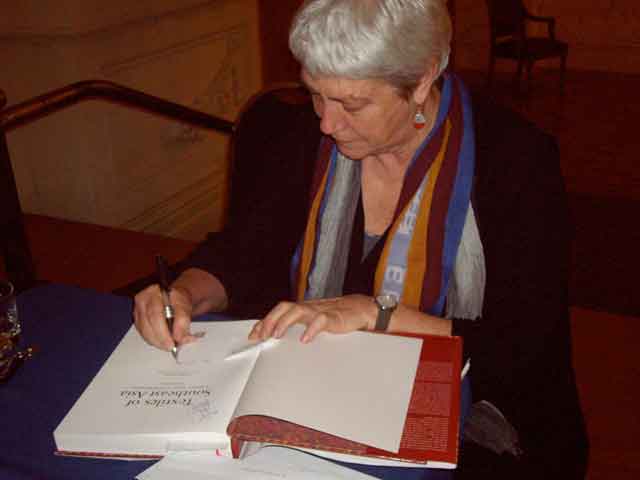
Dr Sara Niner,(Post Graduate Research Fellow at Monash and Xanana Gusmao’s biographer), who initiated the Forum,
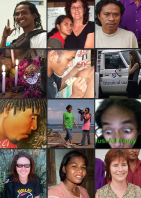
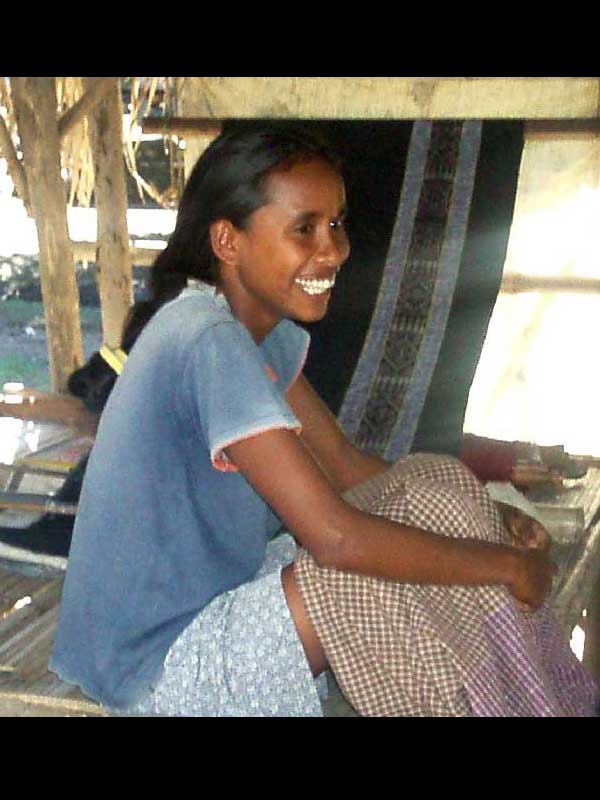
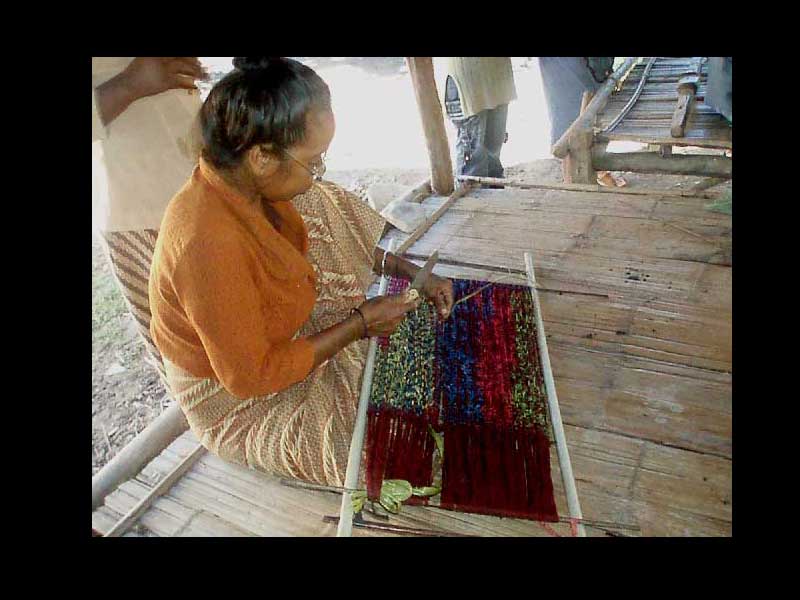
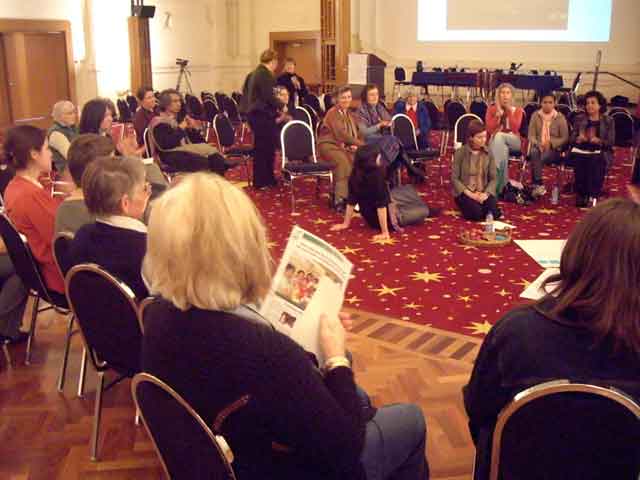
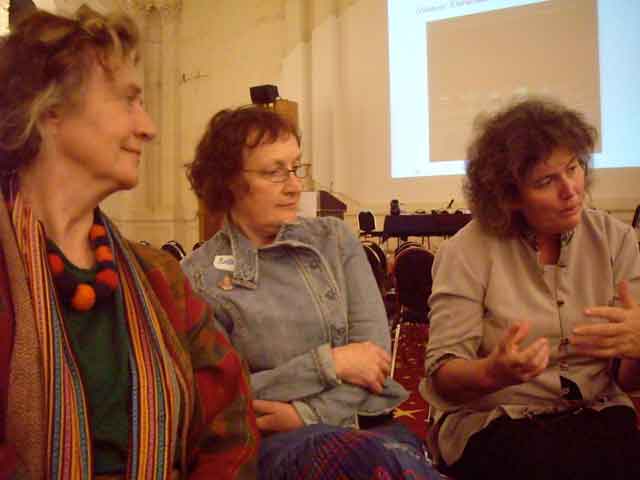
was unrolling the Alola Foundation’s collection of tais for an exhibition in the new St Kilda Town Hall Gallery. Only the lucky few that have travelled to Timor, have witnessed the skill and dexterity of these amazing artisans working in the backstrap looms, in East Timor. Over a hundred people who wanted to learn more about the tais and support the weavers of East Timor were at the opening of the
tais exhibition and Forum
‘Weaving Meanings & Makers from East Timor‘, last weekend.
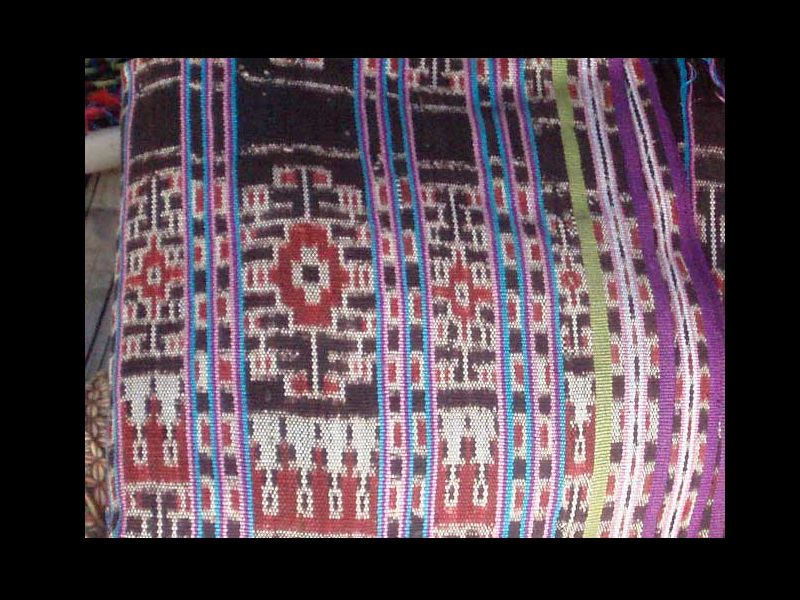
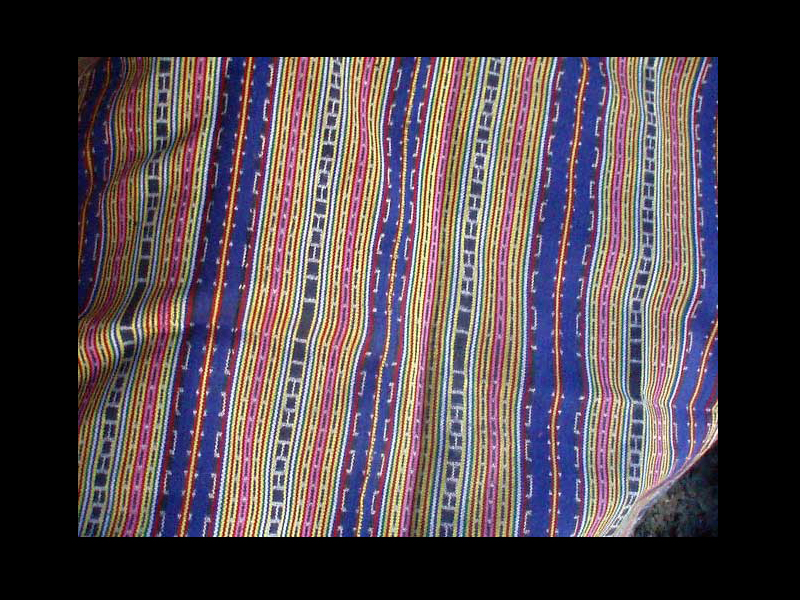
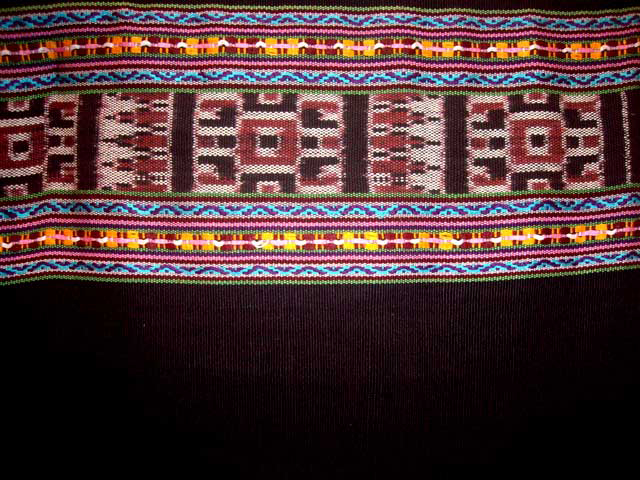
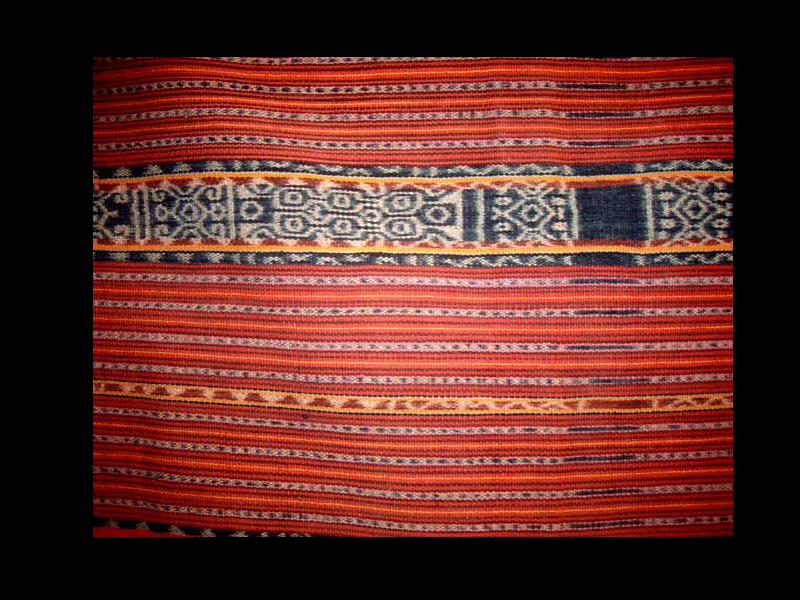
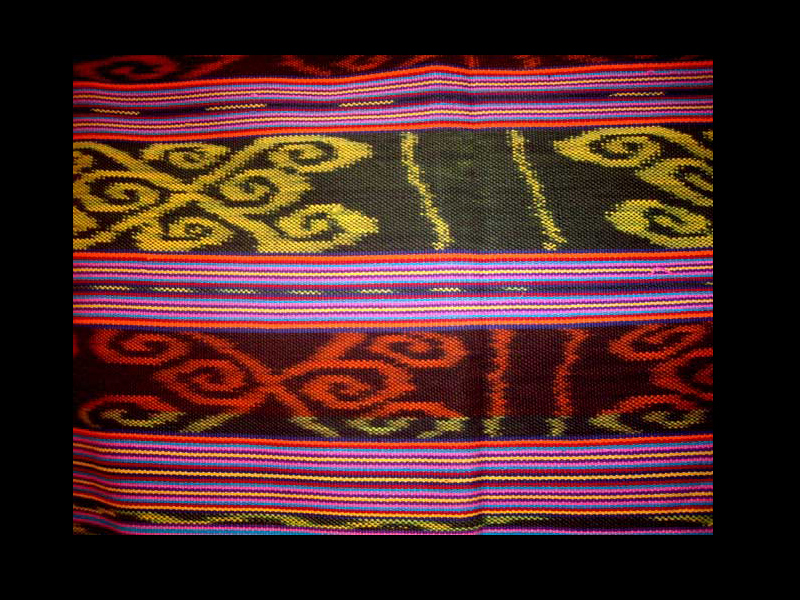
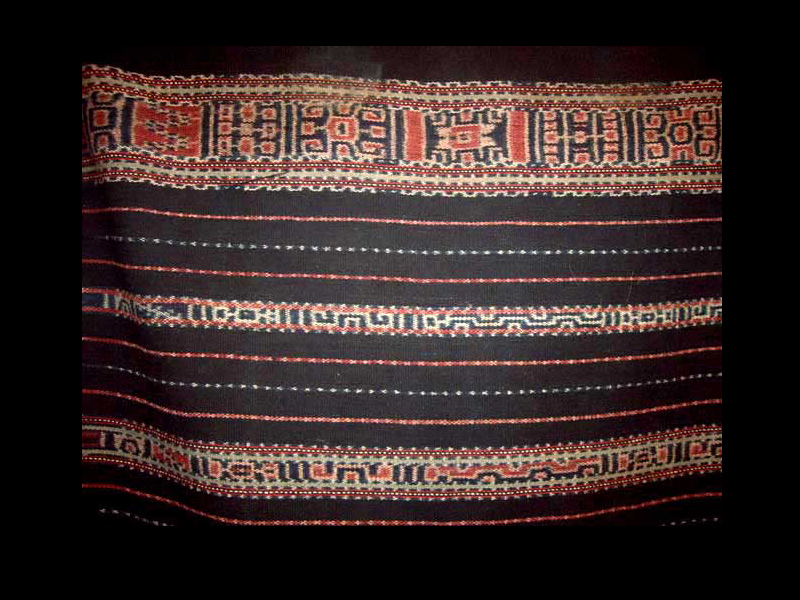
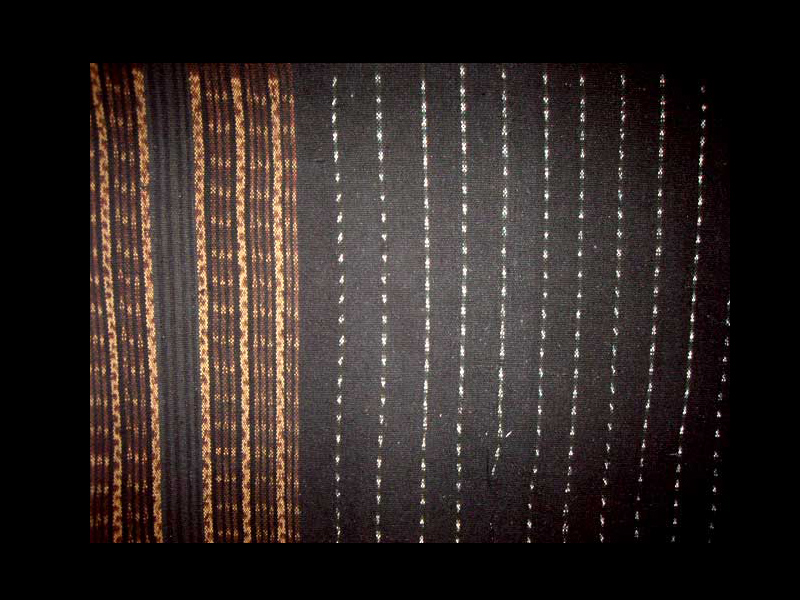
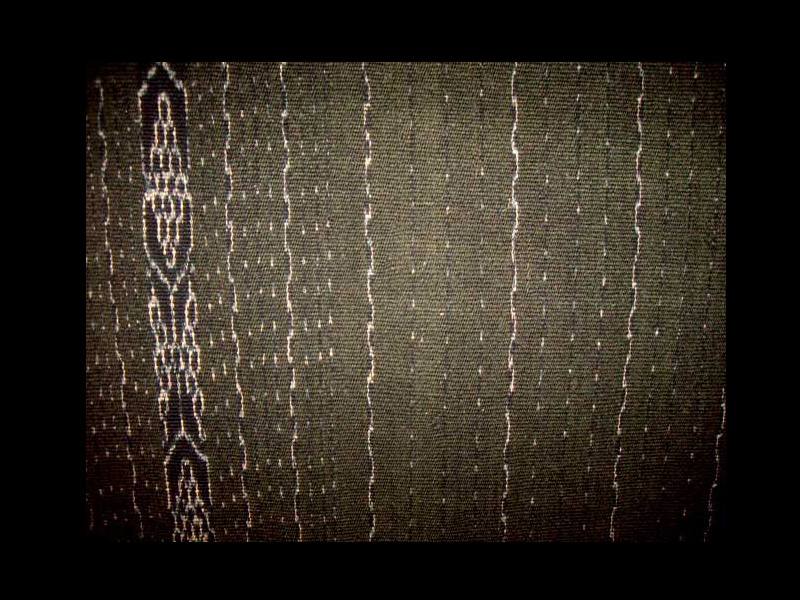
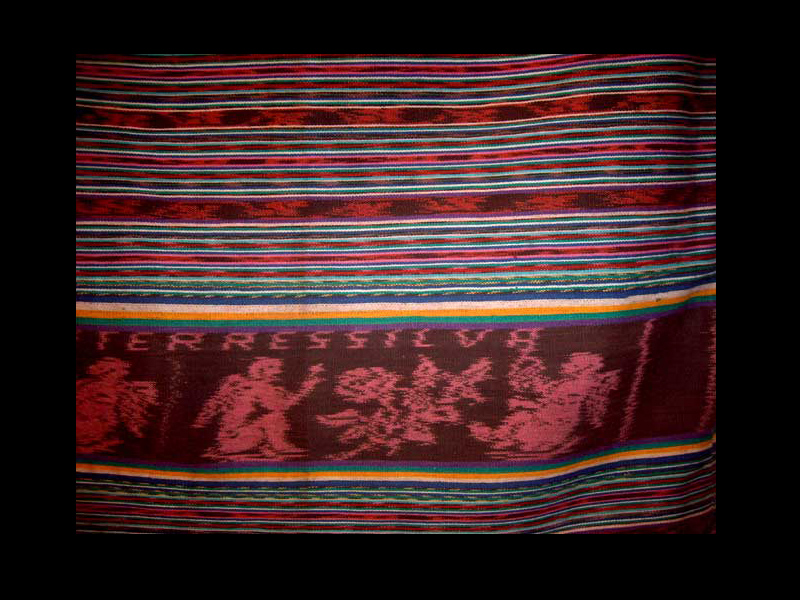
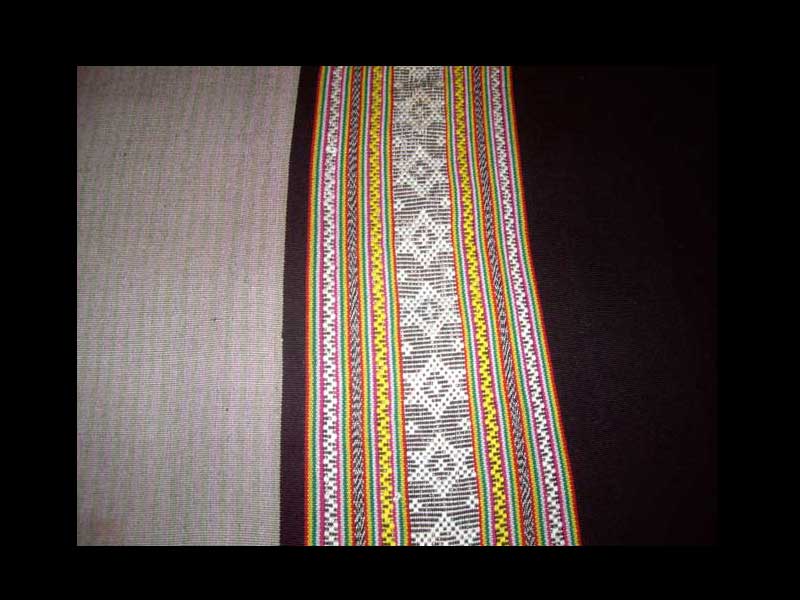
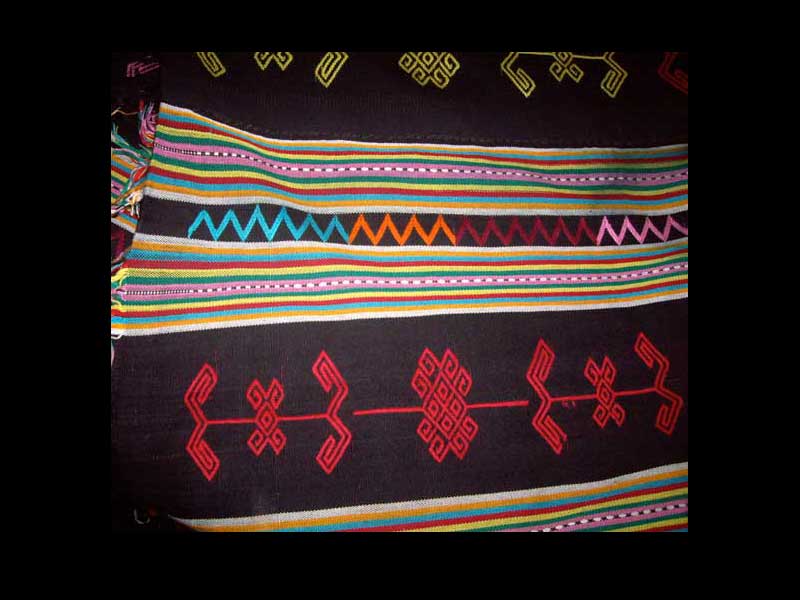
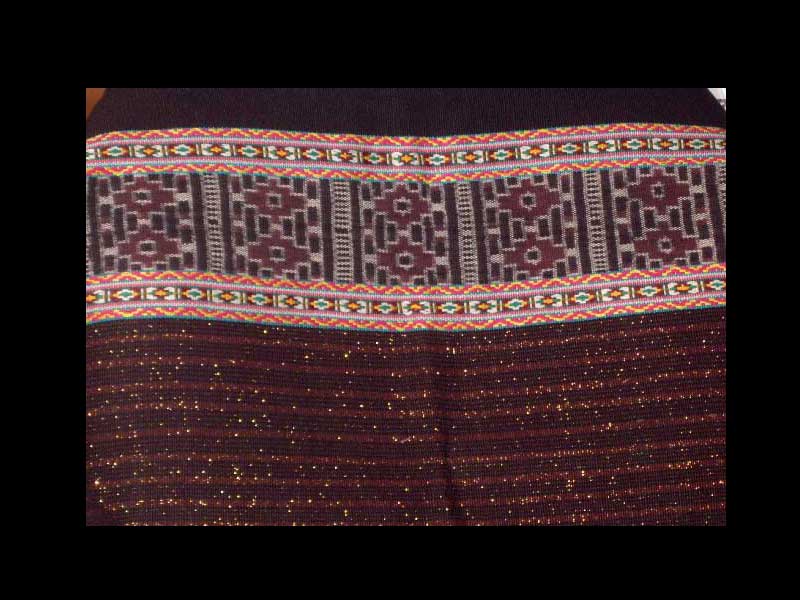
[I have included close-up photographs of the futus patterns and embroidery work. Many Timorese can recognise the district a tais is from as well as its role in ceremonial life by the patterns and shapes. However, little is still known by foreigners about the meaning of the patterns. I have included what information is available beneath the images.
Click on the photographs to enlarge them. The ‘next’ and ‘previous’ buttons can be found a few cms down from the top on the sides by hovering the cursor there.. ]
We have seen the beauty and admired the skill. Now we were gathering to see a collection from across Timor and hear some of the best and most experienced minds, apply themselves to questions about the meaning of the tais in Timorese life and what happens when you commercialise a craft grounded in culture and sacred life..
Since 1999 many people assisting East Timorese women have imported tais for sale and assisted weavers and sewing groups to produce items such as purses, bags, cushion covers and baskets that are saleable in Australia and elsewhere. Now the organisers and audience sought to understand the impact on the weavers and the tais, of colonialism and post-independence activities aimed at improving the lives of Timorese women.
The Friends of Suai partnered with a suite of Australian NGO’s and Monash University to bring about the Forum on the 6th September, the ninth Anniversary of the Suai Church Massacre that led to the formation of the friendship group in Pt Phillip. Balthasar Kehi a member of the Friends of Suai Committee, solemnized the Anniversary of the massacre by presenting a poem he wrote in 2006 when he was working in the refugee camps in Dili. In the poem Balthasar recalled the unity and optimism that followed the terrible losses and grief in the early days of independence and called on the Timorese leadership to remember the voiceless people of their country.
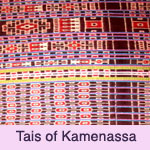
There were two stunning tais from Kamenassa, Covalima in the exhibition. The Co-ordinator of FOS, Pat Jessen and committee member Desleigh Kent purchased these tais and a number of others in Suai in June, for the tais stall set up by Friends of Suai for the first time this year Up until now, coffee has been the only product handled for sale by the Friends of Suai. It remains to be seen if the current team can keep up with the work of purchasing tais and setting up a tais table at every opportunity that affords itself in addition to all the other work they do. However, the initiative of a tais trading table provides people in Pt Phillip wishing to support the women of Covalima with an exciting opportunity to get involved.
Together the Exhibition and Forum left me with a the profound understanding that textiles are the art form of Southeast Asia and Timor. I learned from observation and experience that traditional Timorese culture is supported by growing, cutting, tying, knotting, weaving, dying and sheathing a variety of fibres, grasses and leaves for ceremonial and practical purposes. Now I understand better how the work of making the tais and conserving the tradition is important because of its role in culture in defining womens’ identity and the way this cultural practice influences interaction and social cohesion. Yesterday’s forum reiterated the need to protect the weavers and their work. I came to appreciate the need to encourage weavers and nurture especially skilled and committed weavers, but more importantly I came to appreciate that weaving as a cultural practice is integral to the Timorese meaning of life.
Timorese and Australians attending, expressed the need to create markets for products woven and sewn by Timorese women, to create an income stream for them. Ego Lemos expressed the fears of many of us when he warned of social dangers for women and Timorese culture in commodifying the tais. Indeed, according to Sara Niner, Australian and overseas experience shows there is a great need for care and sensitivity in developing a cultural practice into an industry. The difficulty is, the Timorese women are highly skilled but very vulnerable. With no other choices for developing income for food and the education of their children it is a life and death choice for many, where some families are already resorting to selling their daughters into prostitution. This argument carries weight so long as the money the women receive for their work make it a sustainable activity. At this point it was easy to see how profoundly important it is for the intellectual work of the forum to continue and how critical it is to develop and strengthen dialogue with the weavers.
The Forum revealed a need for a strategy that takes care of business while also respecting the continuance and where necessary revival, of cultural practices, that are critical to the meaning of life for the people of East Timor. Also, in considering the future of the tais and the weaving tradition we need to be looking at the history and traditions in the context of the whole island, working to understand the tais motif and symbolism as well as the Artisan’s histories so that the role of the tais in culture is well understood. An outcome of the workshops in the afternoon was a call for a similar but bi-lingual forum to be held in East Timor that weavers could attend.
The exhibition will be open until September 30. Monday to Friday 9.00 a.m. to 5.00 p.m. (Trams 3, 67 or Train to Balaclava Station turn left and walk down Carlisle street to the Town Hall).