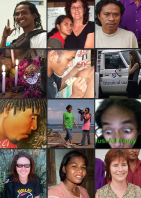
Stories from the Youth of Suai - ‘Traditional Art & Identity’

July 29th, 2008 jen Posted in News, Stories, Stories from Suai, Tradition Art & Identity Suai, YoMaTre 1 Comment »

stories-from-suai-v3.jpg
Tetun Language
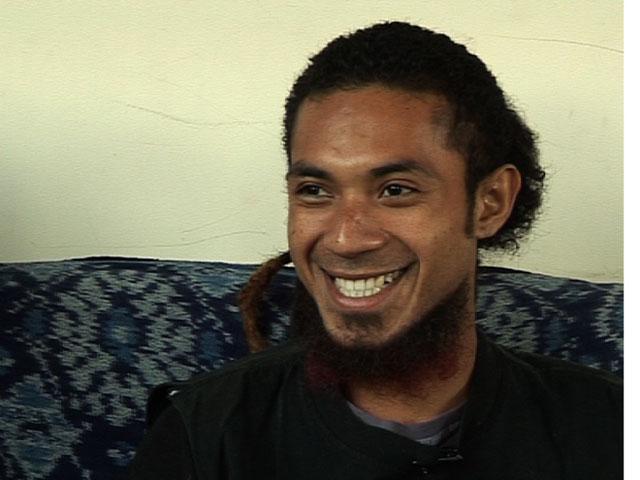
‘Stories from the Youth of Suai’ were written by participants in a digital stories workshop held in the Suai Youth Centre in June 2008 in response to a request for stories that symbolise Suai for the Pt Phillip community and the international audience that visits suaimediaspace. The eleven participants had just completed a five day workshop, that for many represented their first encounter with computers, when they were thrown into discussions about symbolism, local and international audiences and asked to write some stories and take the photographs to accompany them for this website.

The students were all aged between about 18 and their early twenties and there was a restlessness towards the end of the second week due to the fact that the students expected a ‘media workshop’ would involve video cameras and editing software. The third week therefore was dedicated to a simple animation workshop in which the students photographed each other and themselves with mobile phones and digital cameras and animated them to music in iMovie. The result is the collection of Comic Videos.

AddThis Social Bookmark Button

Suai-Covalima’s Tais

July 28th, 2008 jen Posted in Stories, Stories from Suai, Tais Traditional Weaving, Tradition Art & Identity Suai, Traditional Culture East Timor, YoMaTre 1 Comment »

‘Stories from the Youth of Suai’- Suai-Covalima’s Tais was written by
Ajay, Densi & Ameu who were made up one of the collaborative groups in the YoMaTre Digital Stories workshop held in Suai in June 20008. (Densi and the women in her family are weavers from Kamenassa near Suai.)

Tetun Version: Tais Suai Covalima
The Suai-Covalima’s tais are very beautiful since they have a variety of types and colours. The Suai-Covalima’s tais look most beautiful when they are worn during the ceremonies especially by women for dancing.

“The models of tais Covalima”, “Cotton tree”, “Cotton wool”, Cristalina Moniz, Residential Address: Fatuk Laran. Occupation: spinning traditional cotton wool”.

The process of turning cotton wool into threads takes a long time. Because of that only very few people who still make tais from the traditional—locally grown—cotton, while many women make tais from imported modern threads, that is, threads from Indonesia.

Traditional Threads
The making of traditional threads required the following materials:

A special shape of wood—beautifully crafted from solid wood for spinning.
A small bowel—traditionally either made form wood or mud for spinning.

Process of making traditional threads
1. It takes at least one month to spin the cotton
2. Boiling and drying cotton take one week
3. Rolling the cotton takes four days
4. Making design on the thread (turning into futus) takes two months
Modern thread
The process of making tais from modern threads is faster. Therefore more women prefer to make tais from modern threads. It is faster to roll, to dye and design.


“Modern threads (threads made in Indonesia)”, “Tais designed with flowers”, “Tais designed with names.”

Process of making tais from modern threads:
1. Rolling the threads
2. Dyeing the threads
3. Designing the threads (turning it into futus)
4. Colouring the threads by way of boiling them with colourful modern liquids).

Tais Designs
Tais can be designed with flowers, with names of people or places. There are diverse designs.

“welcoming the visit from the government”, “sitting together”, “preparation to welcome guests.”
The Role of the Tais in Timorese life
1. For wearing during the traditional ceremonies
2. For covering the dead bodies (the dead bodies are covered with layers and layers of tais, the quality and quantity of tais depend on the social status of the dead person)
3. For gift exchanges
4. For bride prize
5. For welcoming the visit of the government or the head of the Church, and for welcoming the statue of the Blessed Mother Mary (usually during the procession months for the Blessed Mother Mary, May and October.

SUMMARY:
The traditional threads still exist, but nowadays not so many women use traditional threads for making tais. More and more women use modern threads. This is simply because modern threads do not need a long process for making tais.

AddThis Social Bookmark Button

Food Crisis

July 28th, 2008 jen Posted in Food, Stories, Stories from Suai, Tradition Art & Identity Suai, Traditional Culture East Timor, Traditional Food, YoMaTre 4 Comments »

Tetun Version: Krizi Hahan
Food crisis has considerably preoccupied the mind of the Timorese people as the price of the rice is skyrocketing beyond the purchasing power of majority of the Timorese. The price of one sack of rice is now US$32.00, more than twice higher than the price before the crisis. Many people cannot afford to buy even just one sack of rice. Consequently, many Timorese are forced to return to their indigenous diets, such as, corn, cassava, banana, papaya, and other locally grown foods.

Interview with Senor Antonio Moniz Mall - World Food Program - Suai

Q: “How and why does this food crisis happen in Timor Leste”?

A: “This crisis is happening because many people no longer want to work as farmers as they used to. They do not like to work in the farm simply because they are lazy. However, I believe that can survive on their indigenous diets.”

Q: “What are the impacts of this crisis on the ordinary people?”

A: This crisis has a considerable impact on the Timorese because the price of the rise is very high, US$32 per sack. People simply cannot afford it. In addition, they do not have money to buy other basic necessities. Other said this crisis is happening because the natural conditions, such as heavy rain, storm or drought.

Corn
Photos of traditional staples
Corn is the main indigenous Timorese staple. Although, people grow various types of beans, banana, papaya, cassava, taro and other root-crops, they grow and eat more corn as their main diet. Corn can be turned into different types of meal.

Banana
A photo of eatable fruits in Timor.
Banana is one of the eatable fruit in Timor. Banana is often eaten as breakfast. There are at 16 different types of banana in Timor with different forms, colours and tastes. Generally, the colour of bananas is green. But the colour turns yellow when the bananas turn ripe. But there is a type of banana that remains green when it is ripe. There is also another type of banana called “hudi hai” (fire banana) whose colour is dark red and remains so even when it is ripe. There is a special type of banana which becomes tasty only when it is boiled, baked or fried. This is the most consumed type of banana for breakfast, lunch or dinner at any celebration. The other types of banana cannot be eaten as the main meal as they are sweet.

Papaya
Papaya is also an eatable fruit in Timor. It is eaten when it is ripe. But it is also can be cooked or fried when it is not ripe. It can be used as vegetable. The flowers and the young leaves of papaya are cooked (boiled or fried) as vegetable. They are good, it is believed, for preventing and curing malaria as they are bitter, as bitter as the leaves of bitter melon which are also eaten as medication for malaria. And there are many different types and shapes of papaya. The local one is very small and round. It is very sweet. The others were introduced later by the Indonesians

This short story of foods in Timor is prepared by Group III (in the YoMaTre Digital Stories Workshop) concerning food crisis in Timor Leste. We believe that we Timorese to a great extent still eat our traditional foods.

AddThis Social Bookmark Button

Suai Art City

July 24th, 2008 jen Posted in Art, News, Stories, Stories from Suai, Tradition Art & Identity Suai, YoMaTre 1 Comment »

Tetun version: Suai Cidade Arte

During the time of the Indonesian occupation, Suai was really a town of arts. But since Timor became independent, Suai is no longer as it used to be because of the 1999 violence, during which everything was looted and destroyed. The destruction included many things that relate to works of art. Now there are many young people who are artistically talented. The idea of rebuilding Suai as it once was before the destruction will take a long time.

A young man by the name Albino Gusmao now is a teacher teaching at Escola Primaria Ladi Suai (Primary School Lady in Suai). He is artistically gifted. Returning home from school, he does not forget to divide his time for painting or to develop his artistic talent and skill.
Almeida Gusmoa lives in Suai-Debos. One of his pupils is also artistically talented. At the moment he is finishing his schooling at Pre Secundaria de Ladi (Pre-Secondary School in Ladi). In 2005, he participated in the painting competition in Japan, representing Timor Leste. There were artists from 25 countries who participated in the competition. In this competition Almeida Gusmao won the second position- as the second best of all participants.

AddThis Social Bookmark Button

‘The Hand’ by Melchior dias Fernandes

July 22nd, 2008 jen Posted in Stories No Comments »

Melli Big Smile

I met Melli through Annie Sloman. Melli is the lead singer of Galaxy one of the most high profile bands in East Timor. Melli writers songs and stories as well as poetry. you can see an interview I did with him in 2006 when he was in Australia for the Darwin Festival and the Sydney Writers Festival. Now I’m thrilled to bring you links to his story titled ‘The Hand’ or ‘Tangan‘, published on the Asia and Pacific Writing website.

In the same website you will find another story by Indonesian writer Linda Christanty. I met Linda at Melbourne Writers week many years ago and later discovered her friendship with Naldo Rei author of ‘ Resistance’ . ‘Maria Pinto’s Flying Horse’ or ‘Kuda Terbank Maria Pinto‘ is the title short story from Kuda Terbang Maria Pinto by Linda Christanty (Khatulistiwa Awards, Indonesia, 2004).

AddThis Social Bookmark Button

Uma Lulik Tradisional Lakon Kalae?

July 9th, 2008 jen Posted in Architecture-Tetun, News, Stories, Stories from Suai, Tradition Art & Identity Suai, Traditional Culture East Timor, YoMaTre 1 Comment »

English Version Traditional House Story

Uma Lulik Tradisional Fohorem
“Uma lulik Tradisional Fohorem”

Ida ne’e mak uma lulik tradisional ami Timor nian, liu-liu iha Covalima no uma lulik tradisional Timor sei la lakon tamba bei ala sira rai hela mai ami no sei lahalakon hosi jerasaun ba jerasaun.Uma lulik tradisional lulik tebes. Tamba sei wainhira ita tama ba uma lulik laran labele kanta,halimar,no labele uja sapeo,no tenqui respeito ema katuas ou halo tuir sira nia lia fuan,se karik lahalo tuir lia fuan nebe iha leten mak sei fo malisan mak hanesan: mate,oan la iha,bulak,moris la hakmatek nebe ami timor adora teb-tebes uma lulik.

Tuar Hamutuk iha Uma

Tur hamutuk iha uma Lulik

“Tuir Hamutuk”

Prosesu halo uma lulik tradisional persija tempo naruk teb-tebes no tenqi lao hamutuk ho serimonia adat.

Tenki tur hamutuk tamba,liu hosi tur hamutuk mak bele halibur famalia tomak maski balun kaben ho ema malae mutin maibe sei lahaluha iha uma lisan ida ne’e nia laran hodi tau hamutuk ideia hodi harin uma ida ne’e no oinsa preparasaun hanesan karau,fahi, fos, no seluk-seluk tan hanesan material dapur.

Serimonia oho fahi

Serimonia oho Fahi

“Sermonia oho fahi”

Molok ta,a ai rin tenki oho fahi,hodi hisik fahi ran iha ai hun nebe mak atu ta’a.

Ta’ ai rinHalas Uma

‘Ta airin” “Halas uma”

Ai rin ne’e mak hanaran bei mane no Bei feto, Bei mane iha lor ,no nia hanesan fatin adora lulik, kaba, mak hanesan simbolu ida ou marka hatudu katak ema ne’e uma lisan ida ne’e nian Bei feto mak iha ahi matan rai matrial lulik ba hanesan tanasak lulik,sanan lulik no seluk tan.

Tali Halibur Hamutuk

“Halibur tali”

Tali halibur hamutuk ho halas

Halibur hamutuk

Tali tahan ou du,ut mak hanesan material nebe atu usa hodi sor uma lulik, prosesu halibur tali ou du,ut (lata hae/du ,ut), molok lata dut/hae uma halas hotu ona.

Hosi Uma

Resultadu hosi prosesu uma lulik

Resultado hosi prosesu halo uma lulik mak ne’e.Ami familia uma lisan ida ne,e sinte kontente teb- tebes maski iha prosesu halo uma lulik ne’e naruk no bele han tempo tinan ida.

AddThis Social Bookmark Button

Krizi Hahan - Food Crisis

July 8th, 2008 lin Posted in Food - Tetun, News, Stories, Stories from Suai, Tradition Art & Identity Suai, Traditional Culture East Timor, YoMaTre 1 Comment »

English Version: Food Crisis
Krizi hahan ne’e prekupa bot ida tebes ba ema Timor tamba fos folin sae halo ema barak labele sosa fos. Ema nebe mak laiha osan labele sosa fos tamba fos folin caru liu hanesan saco 1 $32.00. Ho rasaun ida ne’e ema Timor barak fila fali ba hahan tradisional hanesan batar, Aifarina, Hudi, Aidila ho buat seluk nebe mak ema Timor bele han.”

Intervista Senhor Antonio Moniz Mall - World Food Program - Suai
Tambasa mak krizi mosu iha timor leste?
Tuir Sr. Antonio nia hanoin katak krizi hahan ne’e mosu hosi ema ida-ida nia a’an rasik tamba lakoi halo serviso hanesan ema agrikultur; lakohi halo to’os ou baruk ten. Maibe hau fiar katak ema Timor bele moris ho hahan tradisional.

“Oinsa impakto kona ba krizi ne’e?
Krizi ne’e impakto bo’otba povo Timor tamba sasan folin sae no ema barak osan menos no labele sosa fos, tamba fos karon ida $32, nomos sasan seluk tan. Tuir ema seluk nia hanoin, hare, nomos rona katak krizi hahan ne’e mosu tamba, kondisaun naturais mak hanesan udan bot, anin, bai loro naruk.


“Batar”
Foto hahan Tradisional
Batar mak hanesan hahan original Timor nian, maski ema Timor iha hahan oin-oin hanesan hudi, aifarina, aidila. aibe ema timor hare liu ba batar, Batar ne’e ema Timor mengola sai ba oin-oin atu hodi susutenta sira nia moris loro-loron.

“Hudi”
Foto Ai Han timor
Hudi mos hanesan aihan Timor, maibe hudi dala ruma ema Timor usa hanesan hahan mata bisu, Ema barak mak hudi hodi halo dosi, pisang goreng no buat seluk nebe sira bele halo tuir kapasidade ema ida-idak nian.

“Aidila”
Aidila mos hanesan ai han ida nebe mak ema Timor bele han, Nomos sira bele halo modo liu hosi nia tahan ho fuan. Aidila nia tahan mos bele halo aimoruk hodi halakon isin kole, laran beik no malaria.

SUMARIO
Istoria badak ida ne’e hosi ami gropu III kona Ba krizi hahan iha Timor Leste. Maibe ami fiar katak ami timor sei moris nafatin ho aihan tradisional.

AddThis Social Bookmark Button

Tais Suai Covalima

June 20th, 2008 lin Posted in News, Stories, Stories from Suai, Tais - Tetun, Tais Traditional Weaving, Tradition Art & Identity Suai, Traditional Culture East Timor, YoMaTre 1 Comment »

Hakerek Grupu 8 Istoria Digital Workshop by Ajay, Densi ho Ameu. Densi ho famili halo tais ba Kamenassa Suai besik.

English Version - Tais Suai Covalima

Tais suai Covalima, tais nebe furak no kapas tamba, nia modelo oin-oin no nia kor mos kapas. iha sira nia isin lolon, bain hira sira hatais hodi halo sermonia.

“ Modelu Tais covalima”“Kabas hun”“Kabas rahun” Cristalina Moniz; Hela fatin: Fatuk Laran Servisu: Halo tiris, kabas tradisional.”

Sasan atu hodi halo Kabas Tradisional iha maibe nia prosesu han tempu.ida
ne’e ema balu halo Kabas Tradisional, balu lahalo. tamba, nia prosesu ne’e kleur.
Ne,e mak ema barak uja kabas moderno, ne’e nia prosesu la-lais. .(benang buatan Indonesia).

Kabas Tradisional
Halo Kabas tradisional persija material:
- Tiris kabas hodi ai.
- Mankok ki’ik.

Prosesu Kabas Tradisional:
1. Halo tiris nia han tempu fulan 1
2. Tein no habai’I kabas han tempu semana 1
3. Hurun kabas han tempu loron 4
4. Tiha atu kesi sai ba futus fulan 2

Kabas Moderno:
Kabas moderno nia prosesu lais, ne,e mak ema
barak liu hakarak uja kabas moderno.
tamba, lalais hurun,tiha,kesi ba futus mos lais.

“Kabas moderno (benang buatan Indonesia)”“Tais futus ho aifunan” “Tais futus ho naran”

Prosesu Kabas Moderno:
1. Hurun kabas.
2. Tiha kabas.
3. Kesi kabas sai ba futus.
4. Tein kabas hodi aiwen. sai ba kor oin-oin.

Modelu Tais:
Tais beleh halo ba gambar aifunan,
beleh halo ba ema nia naran, ho
modelu oin-oin.

“simu visitasaun hosi governo”“tu’ur hamutuk”“preparasaun atu simu ema”

Fungsi Tais:
1. Hodi halo sermonia adat.
2. Hodi falun ema mate.
3. Hodi troka perenda.
4. Hanesan mak visitasaun hosi governo, ho nossa senhora.

Sumario:
Kabas tradisional sei iha nafatin mai be to’o agora ema ladun uja kabas tradisional, ema barak uja kabas moderno. Tamba, nia prosesu lalais.

AddThis Social Bookmark Button

SUAI CIDADE ARTE

June 20th, 2008 lin Posted in Art, News, Stories, Stories from Suai, Tradition Art & Identity Suai, YoMaTre 1 Comment »

 English version Suai Art City


Uluk tempo Indonesia, Suai rai ida nebe mak Cidade arte tebes.
Maibe agora Timor hetan independencia, Suai lahanesan uluk tamba funu iha tinan 1999, ema estraga sasan barak nebe mak iha relasaun ho arte nian. Agora jovem barak mak iha talento konaba arte, hanoin atu hari fila fali Suai hanesan tempo uluk maibe sei persija tempo nebe mak naruk.

Jovem ne’e naran Albino Gusmao agora nia nudar Professor hanorin iha Escola Primaria Ladi Suai. Nia mos iha talento konaba arte nian .Fila hosi eskola nia la haluha fahe tempo halo servisu hanesan pintador ou desenvolve ninia talento nebe mak iha ona.Almeida Gusmao,hela fatin Suai-Debos. Nia Estudante ida nebe mak iha talento konaba arte nian. Agora nia remata eskola iha Pre Secundaria de Ladi. Iha tinan 2005, Nia tuir kompetisaun lukis iha Jepang, representante Timor Leste. Nasaun nebe mak tuir kompetisaun ne’e hamutuk 25. Iha kompetisaun ne’e, nia hetan Segundo Lugar.

AddThis Social Bookmark Button